Choosing between a classic bungalow and a new build in Washington Park is not a small decision, especially when home prices sit firmly in Denver’s premium tier. If you are trying to balance charm, upkeep, layout, and long-term value, it is easy to feel pulled in two directions. The good news is that each option offers a very different kind of upside, and once you understand the tradeoffs, your decision gets much clearer. Let’s dive in.
Why this choice matters in Washington Park
Washington Park is one of Denver’s most established and recognizable neighborhoods, with roots that go back well over a century. According to the Denver Public Library’s Washington Park neighborhood history, residential construction was underway by 1911, while the park itself dates to 1889 and includes notable early features like the 1913 Boathouse. The same source notes that Washington Park is listed on both the U.S. National Register of Historic Places and the Colorado State Register of Historic Properties.
That history helps explain why the housing stock feels so layered. You will find early 20th-century homes, renovated properties, pop-top remodels, and newer infill construction all competing for attention. In a neighborhood with this much character and this much demand, the right fit often comes down to how you want to live day to day.
Washington Park prices raise the stakes
No matter which style you prefer, the price point in Washington Park means your decision deserves careful planning. Recent market snapshots show how expensive the neighborhood has become, even though different data sources measure value differently. Zillow reported a Washington Park home value index of $1,227,014 as of February 28, 2026, while other platforms have shown even higher sale and listing figures.
The exact metric matters less than the big picture. Washington Park is a high-cost neighborhood where purchase price, renovation budget, and resale potential all matter. That is why the bungalow-versus-new-build question is really a lifestyle and financial strategy question at the same time.
What a Washington Park bungalow offers
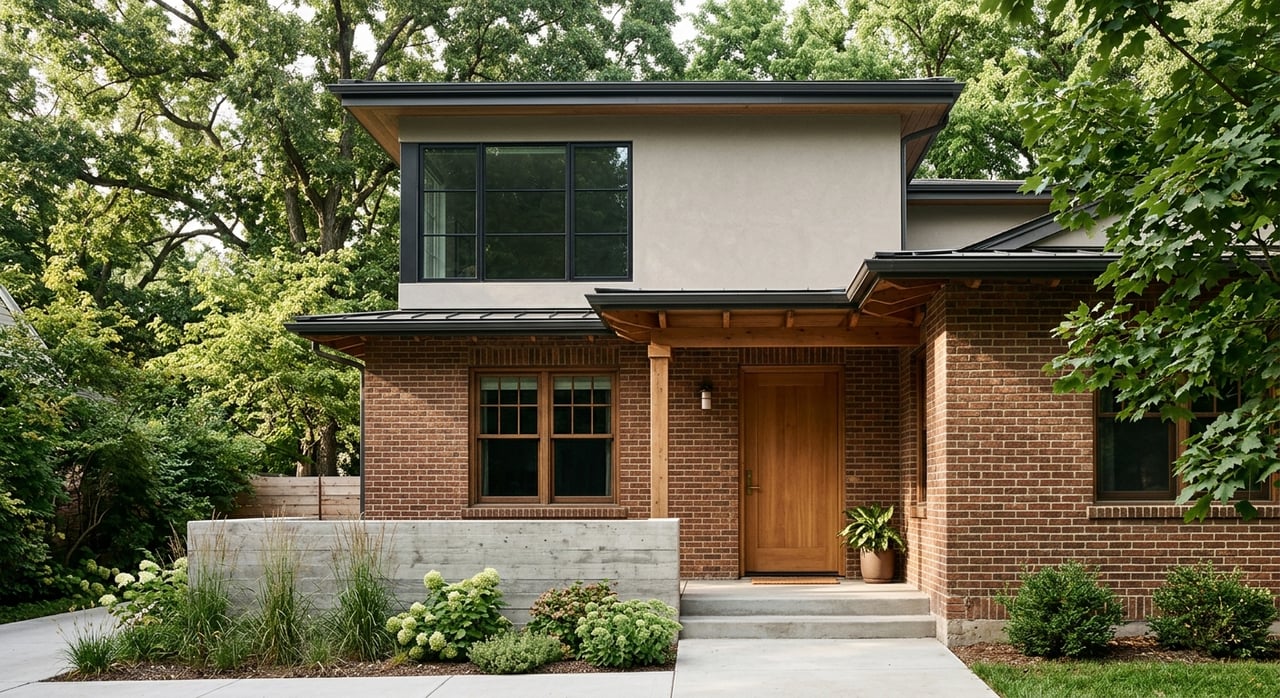
For many buyers, the appeal of a bungalow starts with character. Denver’s design guidance describes Craftsman bungalows as simple buildings with features like overhanging eaves, exposed rafters or purlins, masonry porch piers or half-walls, and a low, boxier shape. In Washington Park, those details connect directly to the neighborhood’s main period of residential growth.
The National Park Service guidance on bungalow design describes the form as one- or one-and-one-half stories, usually organized into living, sleeping, and service zones. In practical terms, that often means defined rooms, a substantial porch, and a layout that feels more traditional than many newer homes. If you value original details and a sense of authenticity, that can be a major draw.
Bungalow strengths to consider
A classic Washington Park bungalow often appeals to buyers who want:
- Architectural character tied to the neighborhood’s early history
- Front porch living and a more established streetscape feel
- Scarcity value in a market where original homes are limited
- Renovation potential to blend historic style with updated systems
A well-updated bungalow can offer a strong mix of charm and functionality. When improvements are done thoughtfully, you may get the best of both worlds: period character on the outside and better comfort inside.
Bungalow tradeoffs to plan for
Older homes can also come with more immediate and long-term maintenance needs. The EPA notes that homes built before 1978 may contain lead-based paint, which is an important consideration in many older properties. National Park Service guidance also highlights common issues like moisture intrusion around roofs, windows, doors, and masonry.
That means your budget may need to cover more than cosmetic updates. In many cases, older-home ownership can involve work on the building envelope, major systems, windows, and safety items. The U.S. Department of Energy also frames deep retrofits as a path to major efficiency gains in existing homes, which can matter if comfort and energy use are priorities.
What a Washington Park new build offers
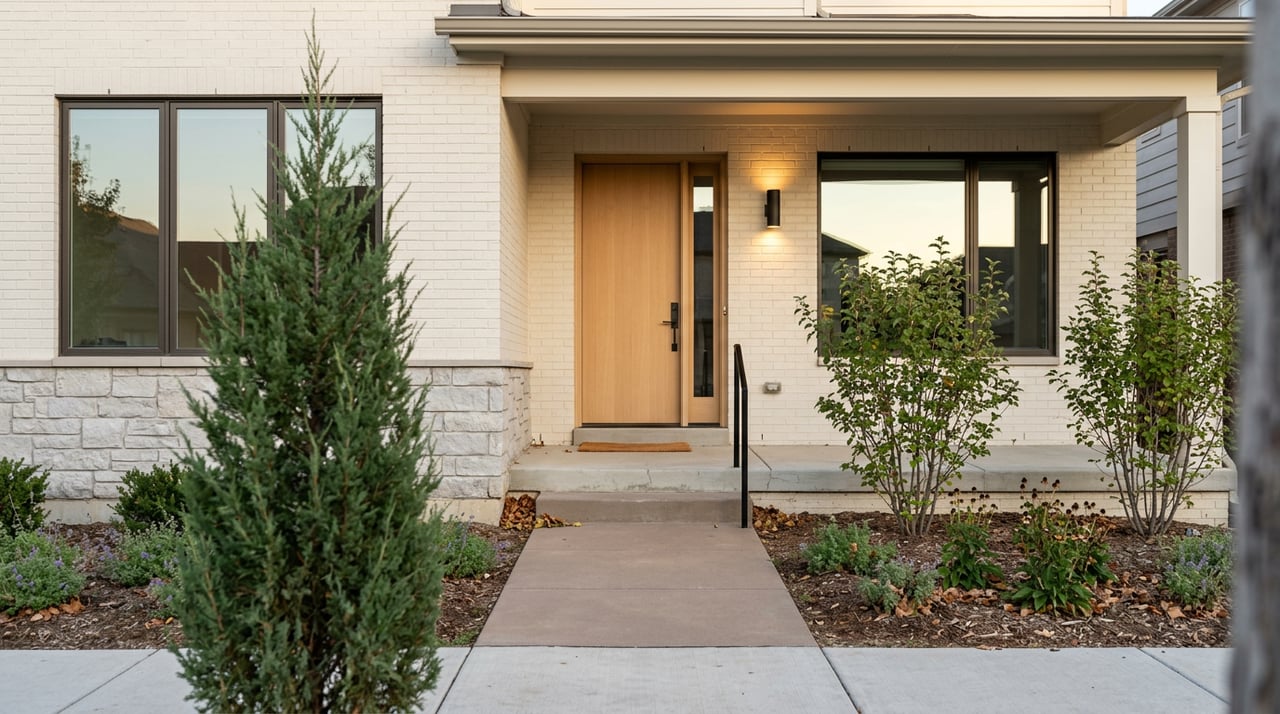
New construction appeals to buyers who want simplicity, efficiency, and fewer near-term projects. In a high-price neighborhood, that peace of mind can be worth a lot. If you do not want to spend your first year planning repairs or upgrades, a newer home may feel much more predictable.
From a performance standpoint, new homes are built to a different standard than most century-old properties. ENERGY STAR certified new homes are designed and built for better energy efficiency and overall performance, and the Department of Energy says efficient new homes are verified by qualified third parties for comfort, health, durability, and efficiency. For many buyers, that translates into lower operating friction and fewer immediate retrofit needs.
New build strengths to consider
A Washington Park new build often attracts buyers who want:
- Turnkey living with fewer early repairs
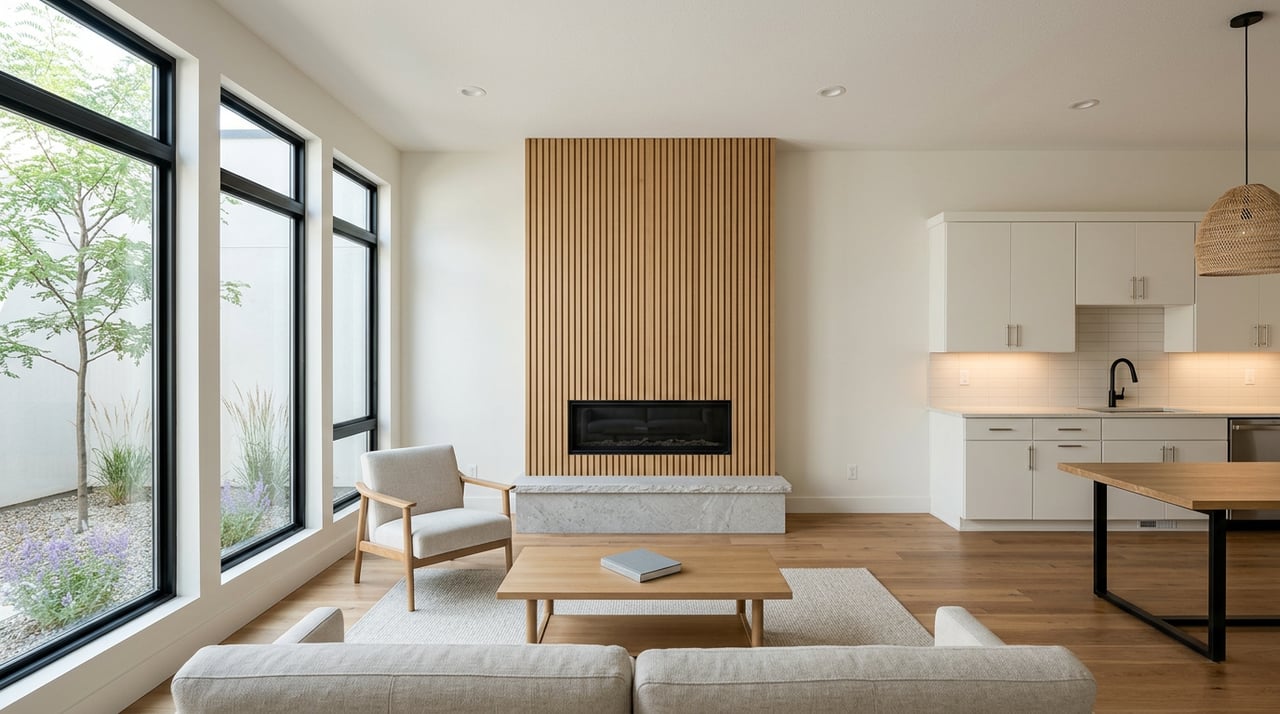
- More open layouts and larger interior spaces
- Modern systems and materials built for current standards
- Better energy performance from the start
These homes can be especially appealing if your priority is convenience. If you want to move in and focus on daily life rather than a renovation plan, new construction can make that easier.
New build tradeoffs to plan for
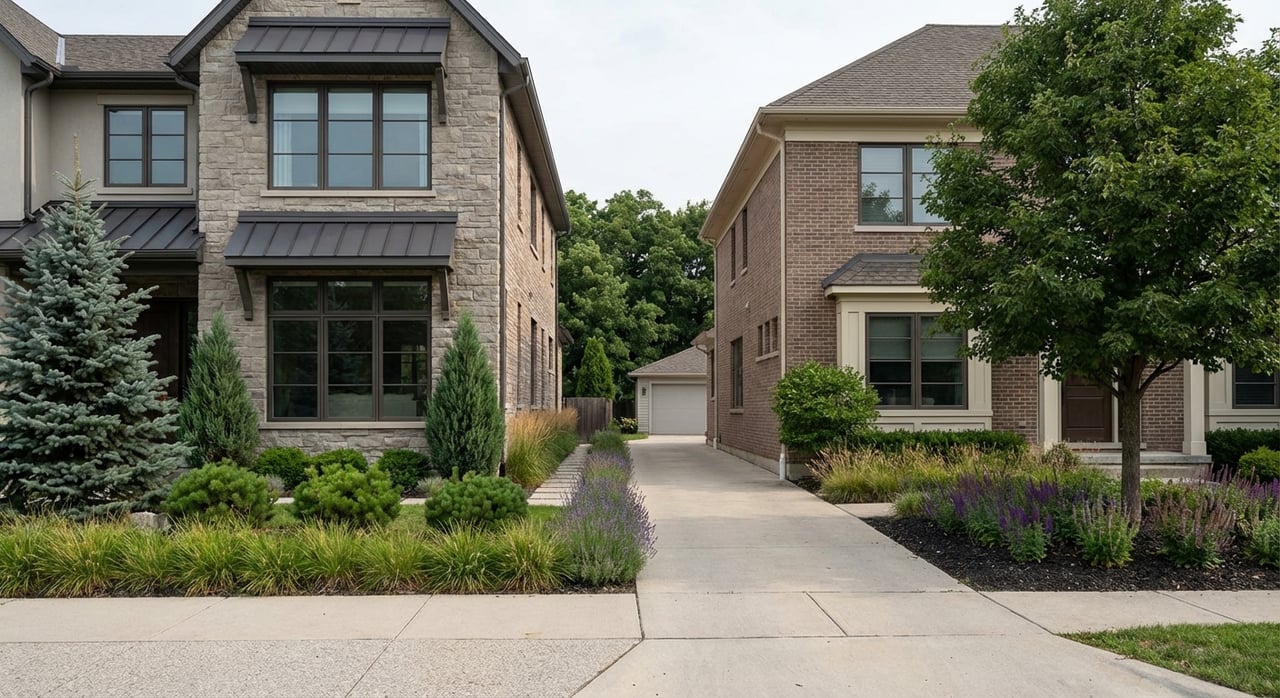
In Washington Park, new construction usually shows up as infill rather than large-scale new subdivision development. That matters because each property is shaped by lot constraints, zoning, and sometimes historic review. Denver’s current rules allow accessory dwelling units in all residential areas, but zoning review, building permits, and in some cases landmark review still apply.
Recent city and local reporting examples also show continued redevelopment pressure in and around the area. A 2025 Denver rezoning staff report described zoning that can allow a range of housing forms on certain sites, including duplexes, tandem homes, detached ADUs, row houses, and potentially apartment-building forms on some corner lots. In real life, that means your “new build” is often part of a larger redevelopment pattern, not a blank-slate neighborhood concept.
Bungalow vs. new build at a glance
| Priority | Bungalow | New Build |
|---|---|---|
| Character | Strong architectural identity | More contemporary feel |
| Layout | More defined rooms | More open floor plans |
| Maintenance | Often higher near-term needs | Usually lower near-term needs |
| Efficiency | May require upgrades | Better from the start |
| Renovation flexibility | High, but can be costly | Less immediate need |
| Lifestyle fit | Buyers who value history and charm | Buyers who value convenience and performance |
Neither option is automatically better. The better choice is the one that matches your budget, tolerance for projects, and the kind of daily living experience you want.
How appreciation can look different
In Washington Park, appreciation is not just about square footage. It can also reflect scarcity, architecture, location, and how well a home fits buyer demand over time. That is one reason the bungalow versus new build decision can be so personal and so strategic.
Denver-specific research found that historic district designation created a premium for house transactions and also produced spillover value for nearby homes, according to a published housing study. That does not mean every older home will outperform every newer one. It does suggest, though, that preservation, context, and neighborhood character can influence value in meaningful ways.
A strong bungalow story often comes from scarcity, architectural authenticity, and quality updates. A strong new-build story often comes from larger living spaces, modern functionality, and lower near-term maintenance. In other words, you are often choosing which kind of scarcity you want to own.
Questions to ask before you choose
If you are deciding between a bungalow and a new build in Washington Park, these questions can help clarify your direction:
- Do you want original character, or do you want a more modern interior experience?
- Are you comfortable budgeting for repairs, upgrades, or a larger renovation plan?
- How important are energy efficiency and lower maintenance in the first few years?
- Do you prefer defined rooms or a more open layout?
- Are you buying for lifestyle first, resale strategy first, or a balance of both?
Your answers will usually point you in the right direction faster than any trend headline will.
Which buyer each option fits best
A bungalow may fit you better if you love historic homes, appreciate original architectural details, and are comfortable with the possibility of ongoing improvement work. Many buyers are happy to take that on because the emotional payoff of living in a classic Washington Park home is significant.
A new build may fit you better if you value predictability, modern finishes, and a more streamlined ownership experience. If your schedule is full and your priority is move-in-ready living, that can be a very practical choice.
The key is not to chase a label. It is to understand what each home type asks of you financially, functionally, and emotionally over time.
If you want clear, neighborhood-specific advice on how to evaluate a bungalow, a pop-top, or a new build in Wash Park, Thaddeus Howells can help you compare the tradeoffs and make a confident decision.
FAQs
What is the main difference between a Washington Park bungalow and a Washington Park new build?
- A Washington Park bungalow usually offers early-20th-century character and a more traditional layout, while a new build usually offers modern systems, newer materials, and a more turnkey living experience.
Are Washington Park bungalows more expensive to maintain than new builds?
- They often can be, because older homes may need updates related to paint, windows, moisture protection, energy performance, or major systems.
Are new builds common in Washington Park, Denver?
- New builds are typically infill projects in Washington Park rather than large-scale new developments, so they often result from redevelopment of existing lots.
Do historic homes in Washington Park hold value well?
- Research on Denver historic districts found transaction premiums and nearby spillover effects, but performance can vary based on the property, updates, restrictions, and surrounding market conditions.
Should you buy a bungalow or a new build in Washington Park if you want less work after closing?
- If your main goal is fewer immediate repairs and upgrades, a newer home will usually be the more practical fit.
Should you buy a bungalow or a new build in Washington Park if you care most about character?
- If original architecture, established streetscapes, and historic details matter most to you, a bungalow will usually be the stronger match.