Trying to choose between a newer Parker neighborhood and a more established one? You are not alone. In a town with a historic Mainstreet, master-planned growth, and a wide mix of subdivisions, the right fit often comes down to how you want to live day to day, not just the age of the homes. This guide will help you compare the tradeoffs that matter most in Parker so you can narrow your search with more confidence. Let’s dive in.
Why This Choice Matters in Parker
Parker is not a one-style suburb. The town blends a Western-Victorian downtown core with a broad mix of later residential development, which gives buyers very different neighborhood experiences within the same community.
That variety matters in a market where many households are deciding between lifestyle options rather than simply looking for the lowest price. Parker covers about 22.4 square miles, had an estimated population of 72,147 as of January 1, 2026, and remains a mostly owner-occupied market. The U.S. Census QuickFacts figures cited by the Town of Parker show a 71.8% owner-occupied housing rate, a median owner-occupied home value of $646,300, and a median household income of $133,369.
What Newer Parker Neighborhoods Tend to Feel Like
Newer Parker communities are often part of larger planned projects, not small standalone subdivisions. Town planning materials for the Chambers and Hess Roads area reference communities such as Looking Glass and Trails at Crowfoot, with more than 6,400 residential units planned in that subarea.
Recent approvals also show how these projects are structured. One Looking Glass filing included 106 attached single-family lots along with areas for landscaping, parks, and open space. Another approved proposal described 658 lots, 24 acres of commercial use, 31.5 acres of parks, and 53.5 acres of open space.
That planning approach helps explain why newer neighborhoods can feel more coordinated. Street layouts, open-space placement, and neighborhood design are often shaped as part of a larger vision rather than built in smaller phases over many decades.
Common strengths of newer areas
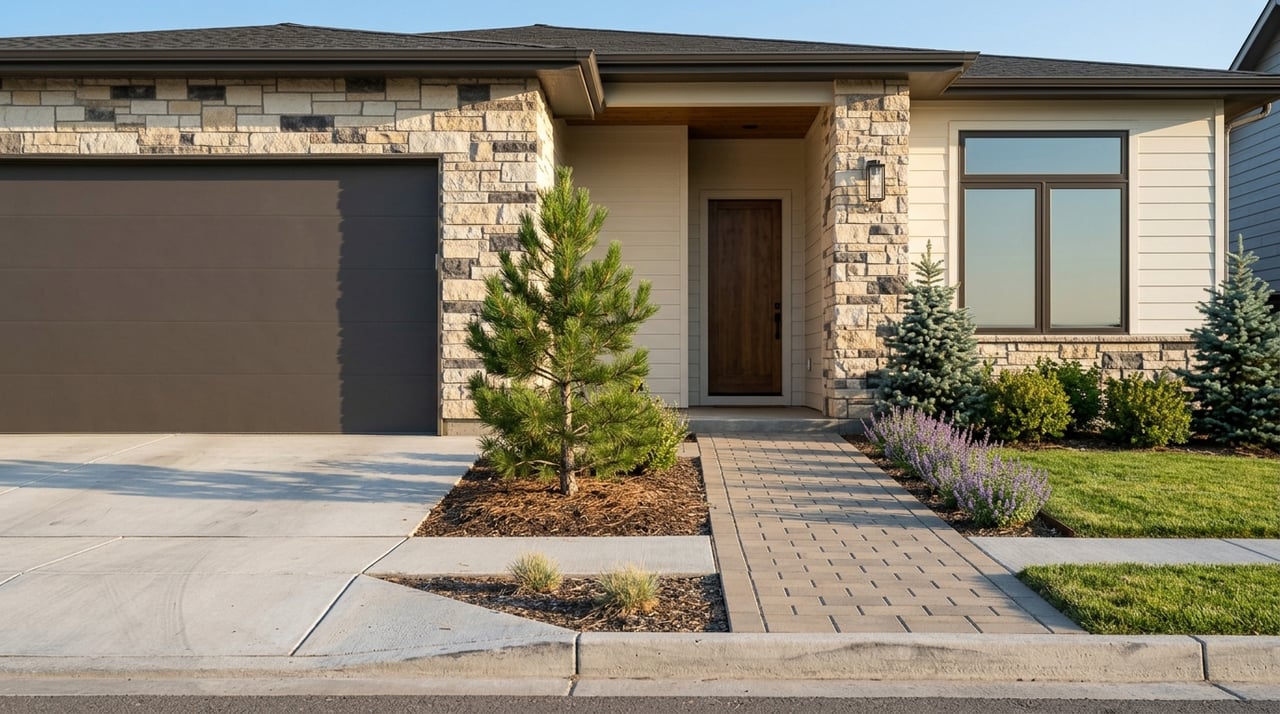
If you are drawn to newer Parker neighborhoods, you may like the consistency and built-in amenities that come with master-planned development. These communities often appeal to buyers who want a more organized neighborhood layout and shared outdoor features.
Some common benefits may include:
- Newer infrastructure
- More intentional street design
- Parks and open-space integration
- Trail access and shared outdoor amenities
- A more uniform neighborhood appearance
Parker’s latest performance measures show 174.9 acres of parkland and 44.46 trail miles. That helps explain why parks, trails, and shared outdoor spaces are such a visible part of the value proposition in many newer parts of town.
Tradeoffs to think about
The same features that make a newer neighborhood feel polished can also make it feel more structured. Parker’s planning documents note that many developments are master-planned, and lot sizes may vary because of clustering and open-space preservation.
In practice, that can mean homes are placed within a more regulated framework. Buyers sometimes find that newer neighborhoods offer less visual variety and a more visible association presence. That does not make them better or worse. It simply means the lifestyle is often more defined from the start.
What Established Parker Neighborhoods Tend to Offer
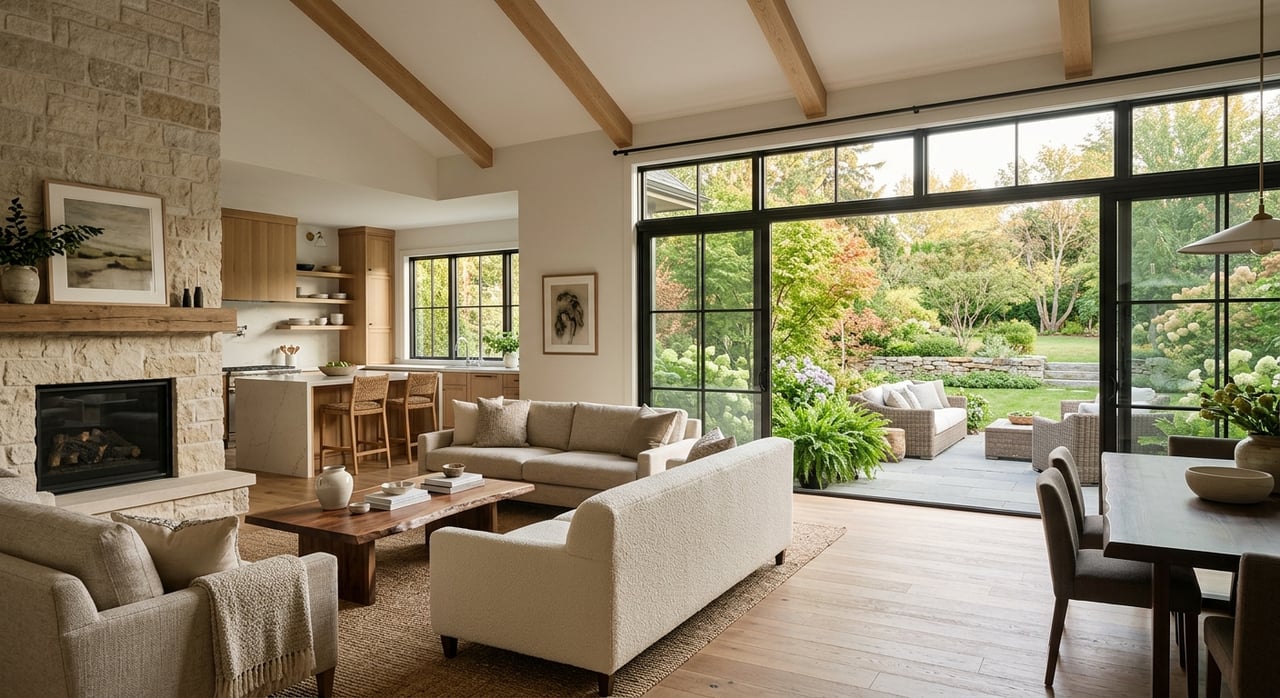
Established Parker neighborhoods often give you a different kind of everyday experience. Instead of being shaped by one recent development plan, they may reflect a more built-out neighborhood pattern with mature streetscapes and a stronger sense of settlement over time.
The Town of Parker identifies several established subdivisions, including Villages of Parker (Canterberry Crossing), Stroh Ranch, Bradbury Ranch, Rampart Station, Willow Ridge, Willow Park, Quail Creek, Parker Vista, Clarke Farms, Challenge Park Estates, Cottonwood, Crown Point, and Hidden River. These areas are useful examples of the more mature subdivision mix that buyers often compare against newer edge-of-town options.
Why buyers choose established areas
Many buyers are drawn to established neighborhoods because the day-to-day feel is easier to evaluate up front. You can usually get a clearer sense of traffic flow, landscaping maturity, neighborhood rhythm, and how the area functions now, not just how it may function after future buildout.
Established areas may appeal to you if you want:
- A more settled street network
- Mature landscaping and streetscapes
- Proximity to built-out parts of town
- A neighborhood with less active construction nearby
- A stronger connection to Parker’s long-standing community pattern
For some buyers, access to Mainstreet is part of that appeal. The Town describes Mainstreet as the heart of the community, and Parker’s own materials highlight its Western-Victorian downtown and hometown feel.
Established does not always mean simple
It is important not to assume that an established neighborhood automatically means fewer rules or lighter oversight. Parker maintains HOA resources for residents and also notes that much of the town is zoned Planned Development.
That means HOA structure can vary a lot by subdivision. Some established neighborhoods may feel less centered on shared amenities, while others may still have meaningful rules, dues, or maintenance obligations. The smart move is to verify each neighborhood individually.
HOA and Governance: Compare the Details
When buyers compare newer versus established neighborhoods in Parker, HOA structure is one of the biggest practical differences. In newer master-planned communities, the association is often a visible part of the neighborhood package from the beginning.
That may include maintenance expectations, amenity oversight, design rules, or shared-space management. In established neighborhoods, HOA expectations may still matter, but they are not always as central to the identity of the community.
Before you decide, ask clear questions such as:
- What are the current dues?
- What does the HOA maintain or cover?
- Are there separate master and sub-associations?
- Are there design review requirements?
- Are there rules that affect parking, exterior changes, or yard use?
This is one area where assumptions can cost you time. A neighborhood that looks flexible may still have detailed requirements, and a newer one that seems highly structured may offer services or amenities that make the tradeoff worthwhile.
Lot Size, Privacy, and Neighborhood Layout
Parker’s planning framework is a key reason newer and established neighborhoods can feel so different. The Parker 2035 Master Plan says lot sizes may vary in master-planned developments because of clustering and open-space preservation.
That matters because your idea of space may not be just about square footage. You may care more about the relationship between the home, the street, the backyard, nearby open space, and how close neighboring homes feel.
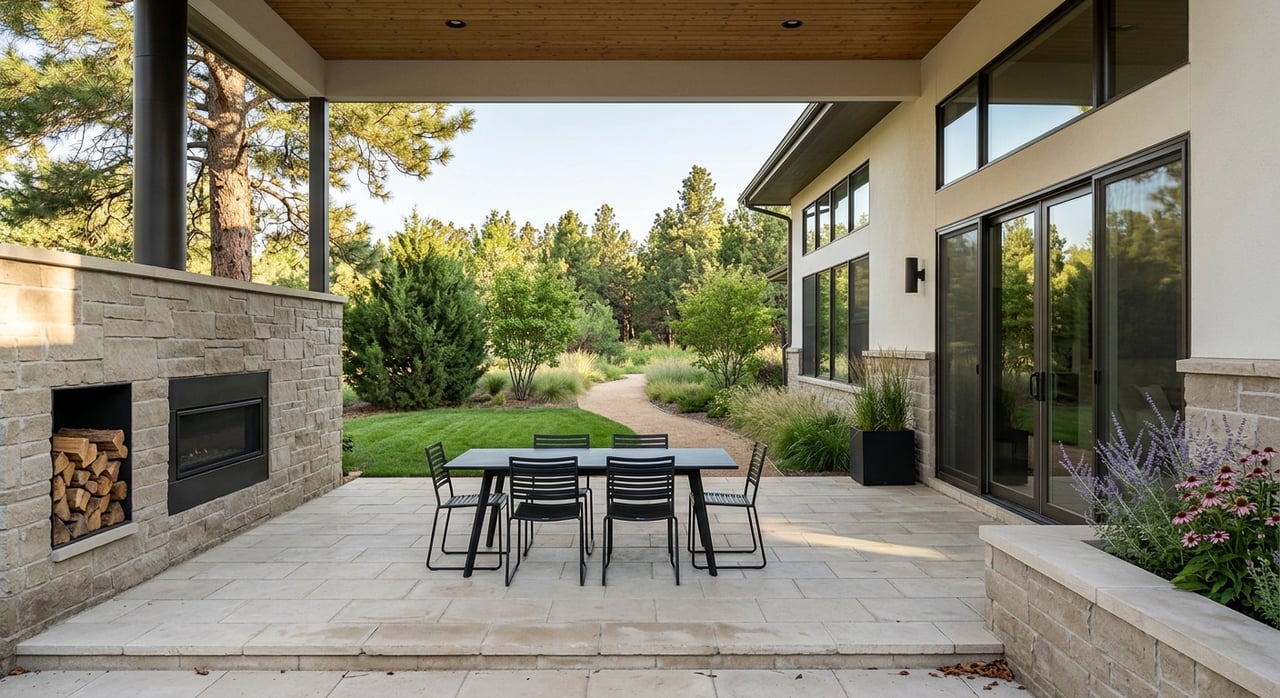
In some newer communities, smaller or more varied lot patterns may be balanced by preserved open areas, parks, and trail connections. In established neighborhoods, the appeal may come more from the existing neighborhood form and the way homes sit within a mature setting.
Commute and Access Matter More Than Age
One of the most useful ways to compare Parker neighborhoods is to focus on how you will actually move through town each day. A neighborhood’s age does not tell you enough about the real commute experience.
The Town says most of Parker is within RTD. Public transportation options include Route PD to downtown Denver, Route 483 connecting to the Lincoln light rail station and the Nine Mile Light Rail Station, plus FlexRide and park-n-ride options.
Parker also notes access to the Denver metro area, I-25, and E-470. ACS estimates put mean travel time to work at 26.1 minutes, which makes commute planning a real quality-of-life issue for many households.
Focus on corridors, not just maps
Two neighborhoods may look close on a map but function very differently during your daily routine. The better question is which road corridor you will rely on and how that corridor performs when you need it most.
The Town currently highlights projects including the Stroh Road Improvements Project, the Lincoln Avenue and Jordan Road Widening Project, and the Parker Road East Sidewalk Gaps Project. Those projects are a reminder that neighborhood convenience is shaped not just by distance, but by the roads and connections you use every day.
A Simple Way to Decide
If you are stuck between newer and established neighborhoods in Parker, try filtering your options through a short list of lifestyle questions. This usually brings clarity faster than comparing home ages alone.
Ask yourself:
- Do you prefer mature streetscapes or newer construction?
- How important are parks, trails, pools, or club amenities?
- Do you want a more uniform neighborhood feel or more variation?
- How much do lot size and privacy matter to you?
- What does the HOA actually cover, and are you comfortable with the rules?
- Which commute corridor will you use most often?
- Do you want to be closer to Mainstreet and Parker’s core identity, or are you comfortable in a still-growing area?
Once you answer those questions honestly, your decision usually gets easier. In Parker, the better choice is rarely about newer versus established in the abstract. It is about the combination of location, governance, amenities, layout, and daily convenience that fits your life.
If you want help sorting through Parker neighborhoods with a clear, practical strategy, Thaddeus Howells can help you compare options, narrow your search, and move forward with confidence.
FAQs
How do newer Parker neighborhoods usually differ from established ones?
- Newer Parker neighborhoods are often part of larger master-planned developments with coordinated layouts, parks, trails, and open-space planning, while established neighborhoods may offer a more built-out setting, mature streetscapes, and closer ties to Parker’s long-standing neighborhood pattern.
Are established Parker neighborhoods always lower HOA than newer ones?
- No. Parker notes that HOA structure varies by subdivision, so you should review each neighborhood’s dues, rules, and maintenance responsibilities instead of assuming an older area has lighter oversight.
What should Parker buyers compare besides home age?
- You should compare lot size, privacy, HOA structure, amenity package, street layout, proximity to Mainstreet or other daily destinations, and the commute corridor you expect to use most often.
Do newer Parker communities often include parks and open space?
- Yes. Town planning and development materials show that many newer Parker projects include parks, landscaping tracts, and open-space areas as part of the overall neighborhood design.
Is commute more about neighborhood age or location in Parker?
- Location and corridor use matter more than age alone. Parker’s access to RTD routes, I-25, E-470, and major road corridors means your daily route often has a bigger impact on convenience than whether a neighborhood is newer or established.