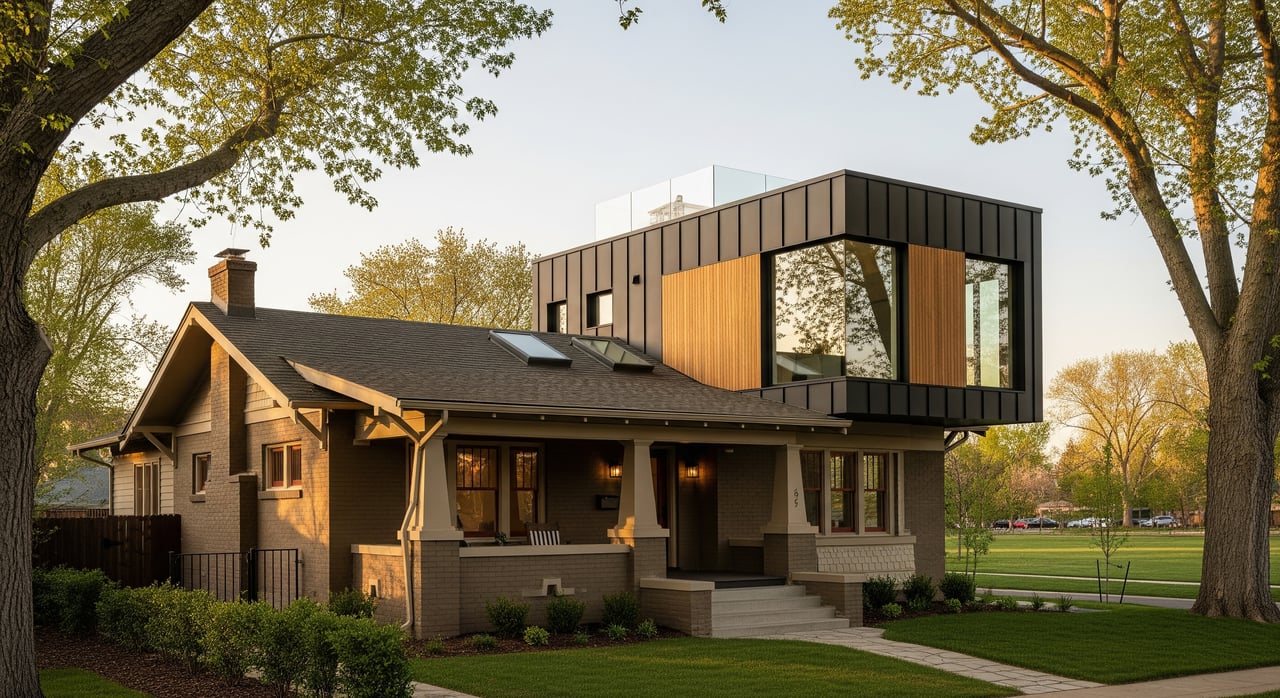
You love Washington Park for its leafy streets, walkable vibes, and classic bungalows. But you may want more space than many original homes offer. If you have toured a house with a fresh second story on top of an older first floor, you likely saw a pop-top. In this guide, you will learn what a pop-top is, why they are common in Wash Park, how they are built, and what to look for when buying one. Let’s dive in.
What a pop-top is
A pop-top is a renovation that removes the original roof and builds up to add a full or partial second story while keeping most of the original footprint and foundation. It is different from a dormer that only adds headroom in an attic and different from an addition that expands the footprint. The goal is more livable square footage without sacrificing the lot or yard you love.
Why Wash Park has many
Washington Park has many early 20th century bungalows and cottages on moderate lots. Owners want more bedrooms, bathrooms, and open-plan living but want to stay in the neighborhood. Zoning limits outward expansion on many lots, so building up can be the practical path. Pop-tops also help keep the historic street character and mature trees while delivering modern layouts.
Typical owner goals
- Add a primary suite plus an extra bedroom and bath upstairs.
- Rework the first floor for better flow between kitchen, dining, and living.
- Modernize systems like HVAC, electrical, and plumbing.
- Keep the yard and original footprint while gaining meaningful square footage.
How builders create a second story
A pop-top is a true structural project. Expect a phased process that usually includes:
- Design and engineering by an architect or designer with a structural engineer.
- Temporary shoring to support existing walls while the roof comes off.
- Demolition of the old roof, then framing of new second-floor walls and floors.
- New roof structure, roofing, windows, and exterior integration.
- Installation of a new stair, upgraded mechanicals, and insulation.
- Tie-in of structural load paths from the new roof down to the foundation.
- Final inspections and approvals.
Structural points buyers should know
Adding a second story increases loads on the original house. A well-executed pop-top will provide a continuous load path from the roof to the foundation using engineered beams, posts, and bearing walls. Older foundations may be shallow or narrow and sometimes need underpinning or added footings to carry new loads. As height increases, wind and seismic forces change, so shear walls, hold-downs, or moment connections may be needed for lateral stability. Proper roof integration and flashing are essential to prevent leaks at new roof-to-wall transitions.
Mechanical, electrical, and energy upgrades
A larger home needs more capacity. Many pop-tops include a larger or zoned HVAC system and redesigned ductwork. Plumbing stacks and drains often get upsized to serve new baths. Older panels may be upgraded to 200 amps with new circuits. Insulation, windows, air sealing, and sound-dampening between floors should meet current energy and comfort standards. These upgrades can make a noticeable difference in year-round comfort and noise control.
Timeline and scope to expect
Every home is different, but many projects follow a general rhythm. Design and permits can take 1 to 3 months, longer if a historic review is required. Construction timelines of 3 to 6 months are common for straightforward pop-tops, with more time needed for complex structural or foundation work. A capable general contractor will coordinate trades such as framing, roofing, electrical, plumbing, HVAC, insulation, and finishes.
Permits and Denver rules
Pop-tops are major structural alterations that require a building permit and separate permits for electrical, plumbing, and mechanical work. Permit review typically includes structural plans and calculations from a licensed structural engineer and may include energy code documentation. Zoning controls height, setbacks, lot coverage, and floor area. If the design exceeds allowed height or coverage, a variance or redesign may be necessary.
If a property is a local landmark or within a historic district, a design review may apply. That review often focuses on the front elevation, roofline, materials, and massing visible from the street. Even outside landmark areas, good design that respects neighborhood scale tends to show better and resell more smoothly.
Neighborhood factors to keep in mind
Neighbors may raise privacy or shadow concerns as height increases, and in some cases, notification can be part of the process. Mature trees may be protected or require mitigation if impacted. Changes to parking or future ADU potential can also be influenced by zoning. After completion, owners should expect reinspection by the assessor and likely higher property taxes, plus an update to homeowners insurance.
Livability upgrades you can feel
- More usable space with a modern layout and ensuite primary bedroom.
- Better natural light and potential views from the new upper level.
- Updated systems for comfort and efficiency.
- The location and yard that make Wash Park special.
Possible tradeoffs
- Upper-level rooms may be smaller or have different ceiling heights than new builds.
- The original first floor can limit how open the main level can become without major structural work.
- If waterproofing or flashing is poor, leaks at new junctions can emerge over time.
- Personal preferences vary. Some buyers value an untouched bungalow, while others prioritize the added space.
Value and resale in Wash Park
A permitted, well-integrated pop-top often increases marketability and value by delivering more square footage in a prime location. Buyers frequently pay a premium for modern layouts near parks and amenities. On the other hand, poorly executed or unpermitted work can reduce value, delay closings, and create lender challenges. The best long-term performers tend to be pop-tops with strong engineering, complete documentation, and design that fits the streetscape.
Buyer checklist for pop-tops
Use this quick checklist to verify quality and reduce risk.
Paperwork and permits
- Ask for building permit numbers, final inspections, and a certificate of occupancy or final approval for the pop-top.
- If records are unclear, search Denver’s permit portal or request documents from the seller.
- Request structural engineering reports or as-built plans used for permitting.
- Check assessor records to see when square footage was updated and how taxes changed.
- If in a historic district, ask for design review approvals.
Inspections and specialists
- Hire a general home inspector who is experienced with structural renovations.
- Engage an independent structural engineer if you see cracks, sloping floors, or unclear permits.
- Order roof and attic inspections to check flashing, ventilation, insulation, and signs of moisture.
- Have plumbers and HVAC pros verify capacity, routing, and venting.
- Confirm electrical service size and panel safety.
Physical red flags on a tour
- Cracks at wall-to-ceiling corners or around doors and windows that suggest settlement.
- Floors that slope or bounce where new framing meets old framing.
- Water stains near roof-to-wall intersections or in attic spaces.
- Patchy exterior transitions, mismatched siding, or abrupt roofline changes that look cosmetic.
- Doors and windows with gaps or inconsistent sills, hinting at movement or poor flashing.
- Stair headroom that feels tight or stairs that do not feel consistent with code norms.
- Oversized or awkwardly placed mechanicals squeezed into old spaces.
Questions for the seller or listing agent
- Who was the general contractor and structural engineer, and are permits available to confirm?
- Were change orders needed for the foundation or major structural members?
- Have there been any leaks since completion, especially at new roof-to-wall transitions?
- Did any neighbor issues arise during construction, and how were they resolved?
Risk factors and how to reduce them
High-risk items include unpermitted work, inadequate foundations, poor flashing that leads to leaks, and massing that clashes with the block. You can reduce risk by requiring full permit documentation and final sign-offs, hiring an independent structural engineer when needed, and negotiating repairs or credits if deficiencies are found. If you prefer certainty, focus on homes with clear permits, inspections, and a solid maintenance history.
Pop-top vs. new build
Both paths can work well in Washington Park. A pop-top keeps the location, yard, and some original character while giving you modern living space. A new build may deliver larger rooms, taller ceilings, and a fully new foundation and systems. Your choice comes down to priorities. If you value the lot, tree canopy, and context, a well-executed pop-top can be a strong fit. If you want maximum space and uniform new-construction finishes, a new build may be better.
Next steps
If you are comparing an expanded bungalow to a new build, focus on documentation, engineering quality, and how the design fits the block. Look closely at roof-to-wall transitions, foundation signs, mechanical capacity, and noise control between floors. With the right checks, you can buy a home that blends Wash Park charm with modern function.
Curious about a specific property or want a second set of eyes on permit history and red flags? Let’s talk through your options and line up the right inspections. Connect with Thaddeus Howells to get a clear, local plan for your Washington Park search.
FAQs
What is a pop-top in Washington Park, Denver?
- A pop-top removes the original roof and adds a full or partial second story while keeping the existing footprint and foundation.
How long does a pop-top project usually take?
- Many projects take 1 to 3 months for design and permits and 3 to 6 months for construction, depending on complexity.
What permits are required for a pop-top in Denver?
- You will need a building permit for structural work and separate electrical, plumbing, and mechanical permits, with final inspections at completion.
How do pop-tops affect property taxes and insurance?
- Added square footage often increases assessed value and taxes, and owners should update insurance during and after the project.
What red flags should buyers look for in a pop-topped home?
- Watch for settlement cracks, sloping floors, water stains near roof-to-wall transitions, mismatched exterior seams, and unclear or missing permits.
Is a historic review needed for a Wash Park pop-top?
- Historic review may apply to designated landmarks or properties within local historic districts and can limit visible changes to the front facade and roofline.