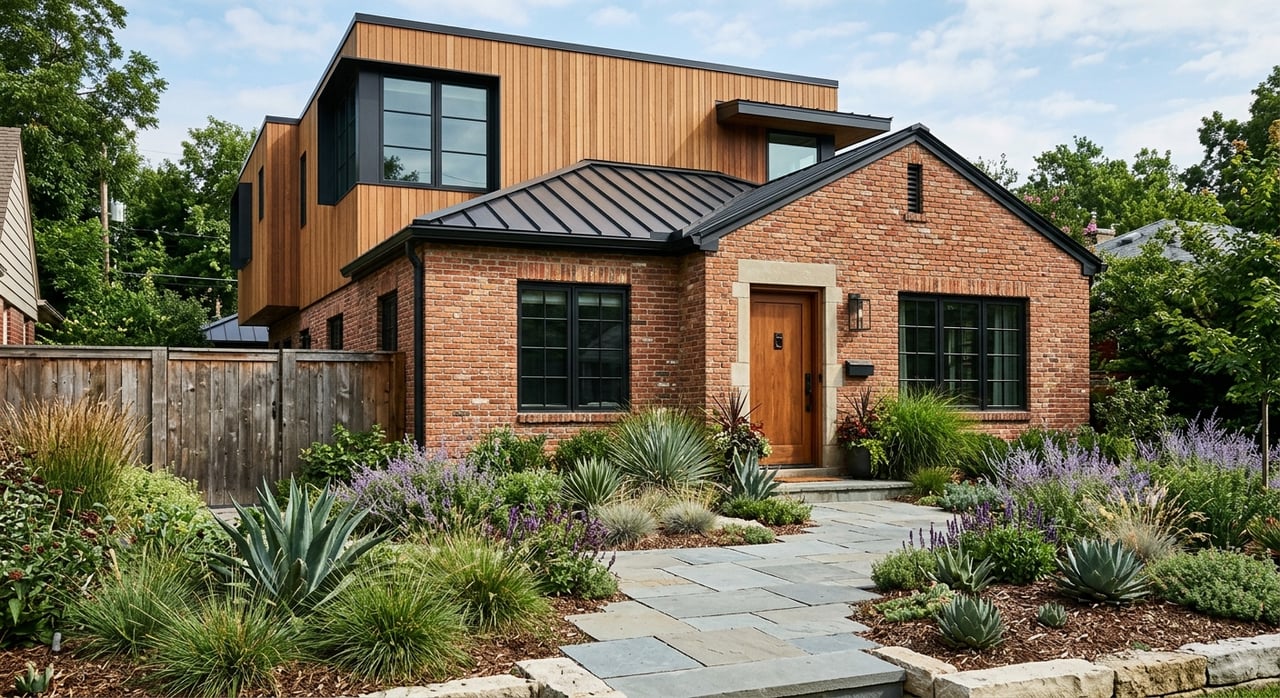
Wondering why one Observatory Park home feels like a charming project, another feels easy and practical, and another comes with a price tag that jumps well above the rest? In Observatory Park and University Park, home style often tells you a lot about layout, upkeep, renovation potential, and where a property may sit in the market. If you are trying to buy with confidence, understanding those differences can help you focus on the homes that truly fit your goals. Let’s dive in.
Why home style matters here
Observatory Park and University Park have deep architectural roots. University Park developed as a University of Denver-centered suburb in the late 1880s and early 1890s, and Denver Public Library describes the area as having some of south Denver’s finest architecture, with mostly one-story single-family homes, spacious lawns, and long tree-lined residential streets.
That history still shows up in the housing stock today. The Chamberlin Observatory remains a defining neighborhood landmark, and historic records note that many of the earliest homes face Observatory Park. For you as a buyer, that means the style of a home is not just cosmetic. It often signals how the house lives, what work it may need, and how it compares to nearby properties.
Original bungalows and early homes
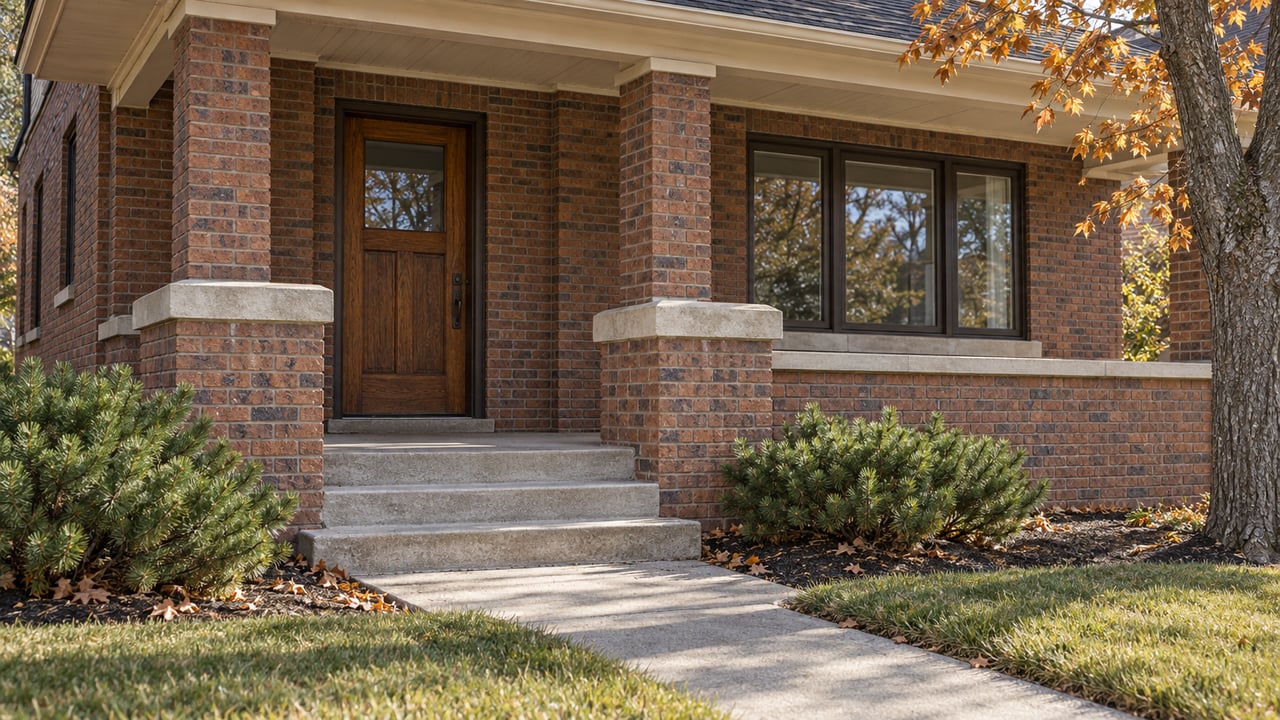
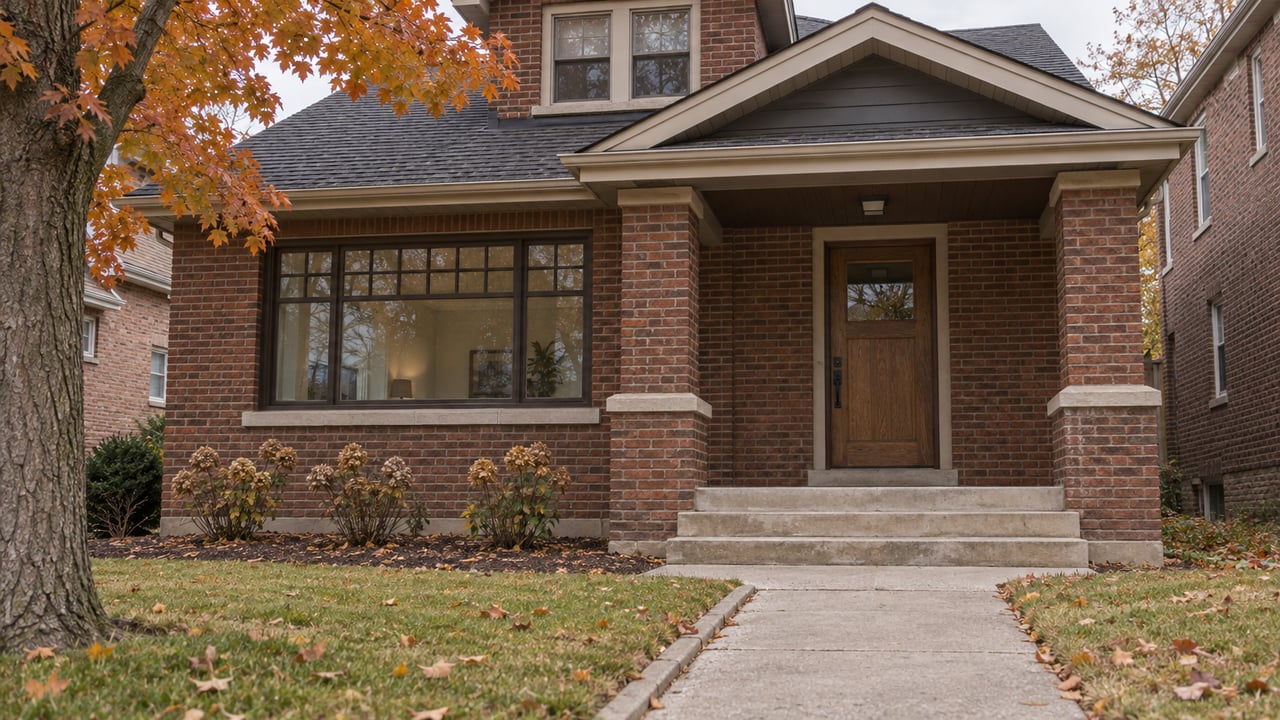
One of the clearest style groups in the area is the original bungalow and early character home. Denver planning material describes bungalows as typically 1 to 1.5 stories with gently pitched gable roofs and common front porches. In University Park, early housing stock also includes Queen Anne cottages and Foursquare homes.
These homes often appeal to buyers who want charm and historic detail. You may find smaller rooms, more defined spaces, and floor plans that reflect an earlier era of home design. In many cases, the lot itself is a major part of the value.
What a bungalow can mean for you
If you are drawn to original homes, a bungalow often means you are choosing character over sheer square footage. It can also mean more updating over time, especially if the home has not been fully renovated. That tradeoff is common in mature Denver neighborhoods where older homes sit beside much newer construction.
Recent examples help show the range. A 1951 bungalow or cottage at 2664 S Cook on the edge of Observatory Park sold for $807,500 and was marketed as one of the few remaining original bungalow homes surrounded by newer construction. By contrast, a fully rebuilt 1912 bungalow on S Columbine sold for $2.03 million, which shows how dramatically value can change when an older home is transformed.
Best fit for bungalow buyers
Original bungalows and cottages usually make the most sense if you want:
- Historic character
- A strong lot in a sought-after location
- A home you can update over time
- A project with upside potential
If your priority is turnkey living with fewer unknowns, this style may require a little more patience and planning.
Mid-century ranches and practical layouts
Another common style in and around the area is the mid-century ranch. Denver’s Southwest Area Plan defines ranch houses as one-story homes with elongated, low-horizontal facades, low-pitched roofs, and integral garages.
For many buyers, ranches offer a practical middle ground. You still get an older neighborhood setting, but the layout can feel simpler and more adaptable than an early bungalow. Single-level living is a major draw, and basements often add useful flexible space.
What a ranch can mean for you
A ranch usually suggests easier day-to-day living. Main-level bedrooms, straightforward circulation, and a wider footprint can make these homes feel more functional for a range of household needs. If you want a home that can stay modest or evolve through renovation, ranches often give you that option.
Local sales illustrate that flexibility. A 1955 brick ranch on S Adams sold for $925,000 and offered three main-level bedrooms, a finished basement, and newer exterior and mechanical updates. A 1954 ranch on S Garfield sold for $1.235 million after a major remodel.
These examples show an important point. Even when an older ranch has been improved, you still want to look closely at the quality and timing of major updates. The home may be cosmetically appealing, but the real value often depends on what has been done behind the walls and over the years.
Best fit for ranch buyers
A mid-century ranch is often a strong fit if you want:
- One-level living
- Basement flex space
- A more straightforward layout
- Renovation potential without starting from scratch
For many buyers, ranches are the compromise between original character and modern usability.
Pop-tops and expanded homes
If you spend time in Observatory Park and University Park, you will also notice homes that clearly started older and grew larger over time. Denver planning and permit documents treat a pop-top as an addition that increases floor area, stories, or height. Neighborhood history also notes that pop-tops and scrape-offs have been hotly debated in the area.
From a buyer’s perspective, a pop-top is often the answer to a familiar problem. You love the location, but the original house is too small. Instead of leaving the neighborhood, an owner adds the space needed for more bedrooms, a larger primary suite, or expanded living areas.
What to watch in a pop-top
A pop-top can be a smart way to get more room while keeping some original structure in place. But it also creates a blend of old and new, and that makes execution especially important. The quality of construction, the flow between original and added space, and the exterior proportions all matter.
In the broader 80210 market, a remodeled pop-top at 1801 E Cornell was valued around $1.5 million. That places the finished product well above many unexpanded original cottages or modest ranches. In other words, the market often rewards added space and updated function, but only when the finished home feels cohesive.
Best fit for pop-top buyers
A pop-top may be a good match if you want:
- More square footage in an established neighborhood
- Additional bedrooms or a larger primary suite
- A home with both original and updated elements
- More value than fully new construction may offer at the top end
This category rewards careful evaluation. Two expanded homes can look similar on paper but feel very different in person.
Newer custom builds at the top end
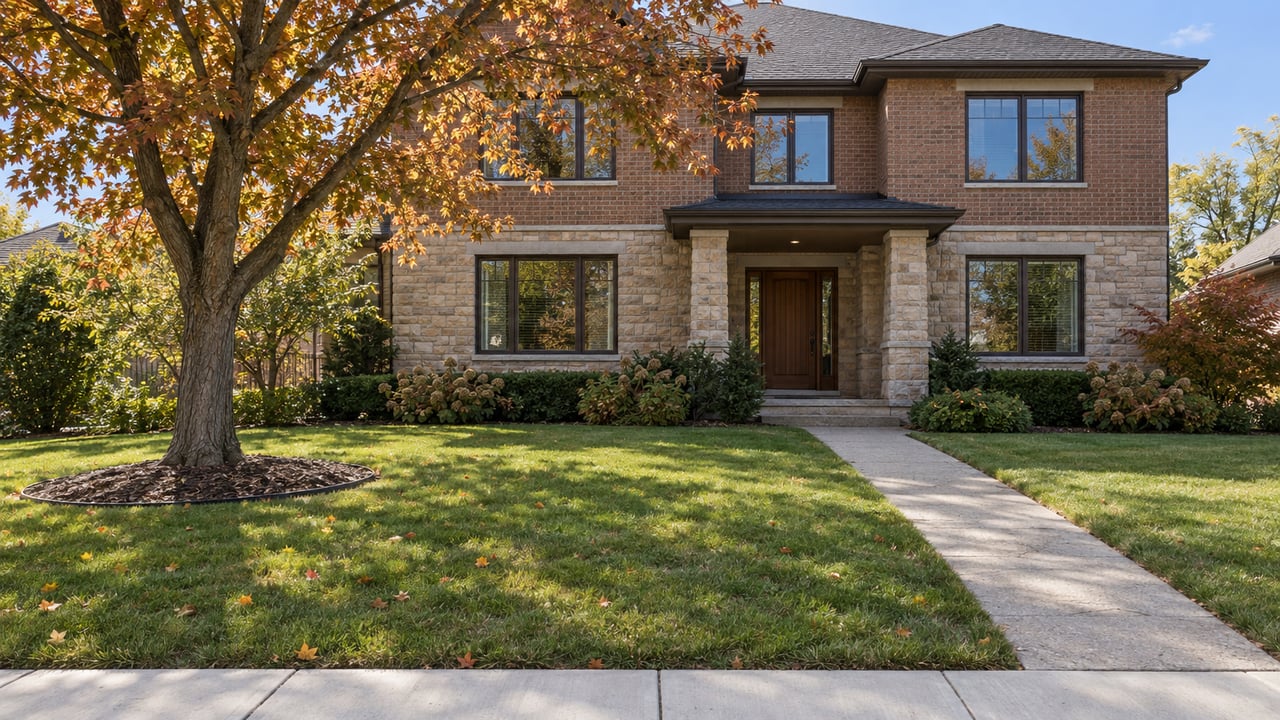
At the upper end of the market, newer custom homes sit at the top of the local price stack. Recent Observatory Park listings show a 2023 build on S Madison that sold for $2.95 million, a 2024 build on S Adams listed at $3.5 million, and a 2017 custom home on S Cook valued around $2.17 million.
These homes typically offer the features many buyers now expect. Open floor plans, multiple ensuite bedrooms, attached garages, large kitchens, central air, and newer mechanical systems are common. If your goal is a more turnkey experience, this is often the clearest path.
What custom construction can mean for you
Newer custom builds usually trade a higher purchase price for lower renovation risk. You may pay more up front, but you are often buying modern layouts, newer systems, and fewer immediate projects. For buyers who do not want to manage a remodel, that can be a meaningful advantage.
The pricing also helps frame the local market. Recent 2026 market pages suggest the broader 80210 and University Park market generally sits in the high-$800,000s to low-$1 millions, depending on source and methodology. The custom-build segment pushes well beyond that center point, which is why these homes often stand apart from the rest of the neighborhood inventory.
What price bands suggest locally
One of the most useful things about home styles in Observatory Park and University Park is that they often line up with broad pricing patterns. While every property is unique, style can give you a quick read on where a home may sit relative to the neighborhood.
Here is a simple way to think about it:
| Home style | What it often means | Typical market position |
|---|---|---|
| Original bungalow or cottage | Character, smaller footprint, lot value, likely updates needed | Often below expanded or rebuilt homes |
| Mid-century ranch | One-level living, basement space, remodel potential | Often mid-range, with remodeled examples higher |
| Pop-top or major addition | More space, blended old and new, quality matters | Often above unexpanded older homes |
| Newer custom build | Turnkey layout, modern systems, fewer unknowns | Often at the top of the market |
This is not a pricing formula, but it is a helpful framework. If you know what style you are looking at, you can often predict the tradeoffs before you ever step inside.
How to choose the right style
The right home style depends less on trends and more on how you want to live. If you love original details and can handle projects over time, an older bungalow may be the right fit. If you want practical one-level living with room to improve, a ranch may make more sense.
If your biggest concern is space, a pop-top can be a strong option. If you want the fewest unknowns and the most current design, newer custom construction may justify the higher price. In this part of Denver, your best choice usually comes down to balancing character, condition, layout, and budget.
Why local guidance matters
In a neighborhood with this much architectural variety, it helps to look past finishes and ask better questions. What era is the home from? Has it been expanded? Were major systems updated? Is the value in the structure, the lot, or both?
That kind of analysis matters because two homes on nearby blocks can have completely different ownership experiences. A steady, neighborhood-level view can help you separate charm from cost, and potential from risk.
If you are weighing home styles in Observatory Park or University Park, Thaddeus Howells can help you compare the tradeoffs, understand where value is coming from, and move forward with a clear plan.
FAQs
What do bungalow homes in Observatory Park usually offer?
- Bungalow homes in Observatory Park and nearby University Park usually offer historic character, smaller original floor plans, and strong lot value, but they may also require more updating and maintenance than newer homes.
What makes ranch homes in University Park appealing to buyers?
- Ranch homes in University Park often appeal to buyers because they offer one-level living, flexible basement space, and layouts that can remain compact or be opened up during renovation.
What is a pop-top home in the Observatory Park area?
- In the Observatory Park area, a pop-top is an addition that increases a home’s floor area, stories, or height, often creating more bedrooms and living space while keeping the original location.
Why do newer custom homes in Observatory Park cost more?
- Newer custom homes in Observatory Park often cost more because they typically include larger open layouts, attached garages, modern systems, and fewer immediate renovation needs.
How can home style affect value in Observatory Park and University Park?
- Home style can affect value in Observatory Park and University Park by shaping a home’s layout, condition, renovation risk, and appeal, with custom builds and well-executed expanded homes often pricing above original unexpanded houses.