If you are preparing to sell a high-value home in Greenwood Village, presentation is not a finishing touch. It is part of your pricing and marketing strategy from day one. In a market where buyers have options and many are well-capitalized, the homes that feel polished, well-maintained, and easy to move into tend to stand out faster. This guide will walk you through the repairs, staging choices, timing, and privacy steps that can help you launch with confidence. Let’s dive in.
Why prep matters in Greenwood Village
Greenwood Village is a small, high-value market with a distinctive buyer pool. Census estimates show a median owner-occupied home value of $1,237,800, and Realtor.com reported a February 2026 median listing price of $1.719 million. Realtor.com also reported a median 29 days on market in Greenwood Village, compared with 36 days for Arapahoe County overall.
That speed does not mean every home will sell quickly no matter what. DMAR described the broader Denver market in late 2025 as more normal and seasonal, with buyers gaining leverage compared with the frenzy of 2020 through 2022. Even though the $1 million-plus segment continued to transact, buyers in this range can be selective, so condition and presentation matter.
Many likely buyers are also financially prepared to act, but only when the home feels right. NAR’s 2025 buyer profile found that repeat buyers had a median age of 62, a median down payment of 23%, and 30% paid cash. For you as a seller, that is a strong reason to focus on readiness, not just square footage or prestige.
Start with a pre-listing inspection
A pre-listing inspection can give you clarity before your home hits the market. Buyers commonly conduct their own inspections, and a seller-side inspection helps you understand likely issues in advance. That can reduce surprises, support more realistic pricing, and give you time to address concerns on your terms.
NAR notes that sellers may choose to inspect before listing to gather more information upfront. InterNACHI says a seller inspection can uncover safety issues, allow repairs before listing, and help sellers price more accurately. For a high-value home, that upfront information can shape your whole launch plan.
What a pre-listing inspection helps you do
- Identify repair items before buyers do
- Prioritize safety and maintenance issues
- Decide what to fix, disclose, or leave as-is
- Support pricing with a clearer view of condition
- Reduce the chance of renegotiation later
In luxury and move-up price points, buyers often expect fewer deferred-maintenance surprises. If your goal is a clean first impression, inspection findings should guide the next phase of work.
Focus repairs on visible value
Not every upgrade is worth doing before you sell. The smartest pre-sale improvements tend to be the ones buyers notice quickly and understand easily. In many cases, modest visible updates outperform expensive custom projects.
According to NAR’s 2025 Remodeling Impact Report, the top seller-prep recommendations were painting the entire home, painting a single room, and new roofing. The same report found that kitchen upgrades, new roofing, and bathroom renovations saw the biggest demand gains over the last two years.
NAR also found some of the best cost-recovery projects were a new steel front door, closet renovation, and a new fiberglass front door. That is a useful reminder that practical improvements can do more for resale than highly personalized design decisions.
High-impact prep priorities
- Fresh interior paint where needed
- Roof replacement or repair if condition is an issue
- Kitchen updates that improve function and appearance
- Bathroom improvements that feel clean and current
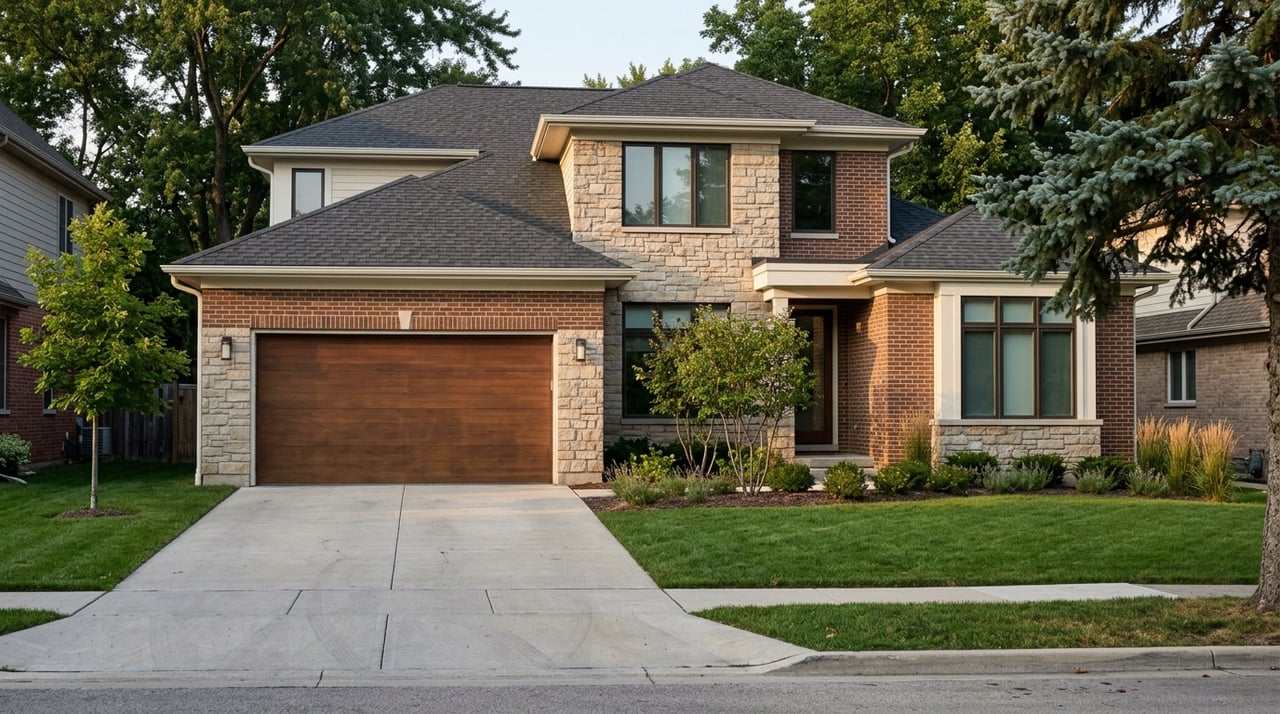
- Entry updates that strengthen first impressions
- Closet organization or light renovation for better usability
If you are deciding between a major custom remodel and a smaller set of strategic updates, the data points toward the second option. Buyers often respond best to homes that feel clean, bright, maintained, and easy to imagine as their own.
Check permits before work begins
In Greenwood Village, permit rules matter. The city says a permit is generally required for new buildings, additions, alterations, repairs, and site improvements. Common permit-triggering items can include decks, fences, interior remodels, landscaping, low-voltage wiring, window replacement, water heater replacement, and reroofs.
The city also notes that painting, floor coverings, similar finish work, or cabinet installation typically do not require a permit when there are no structural, electrical, plumbing, or mechanical changes involved. Contractors must be licensed before starting work. For sellers, this matters because a simple refresh can become more complicated if the scope expands.
Before you schedule contractors
- Confirm whether the work needs a permit
- Verify the contractor is properly licensed
- Check whether past work was completed with required permits
- Review any HOA requirements that may apply
- Keep records for completed work and inspections
This step protects your timeline. It also helps avoid last-minute questions when buyers review the property more closely.
Stage for how buyers live now
Staging is especially important in a high-value listing because buyers are often comparing several polished homes at once. NAR’s 2025 staging report found that buyers care most about the living room, primary bedroom, and kitchen when viewing a staged home. Sellers’ agents most often stage the living room, primary bedroom, dining room, and kitchen.
The same report found that staging increased the dollar value offered by 1% to 5% for 19% of agents and by 6% to 10% for 10% of agents. It also found that 49% said staging slightly or greatly decreased time on market. In short, staging can support both speed and price.
Rooms to prioritize first
- Living room
- Primary bedroom
- Kitchen
- Dining room
Decluttering, whole-home cleaning, and curb appeal were the most common prep recommendations in the report. Those basics still carry real weight because they help buyers focus on the home itself instead of your daily life inside it.
Highlight practical luxury
In Greenwood Village and the broader DTC-oriented buyer pool, practical luxury can resonate more than highly customized showpieces. Realtor.com’s 2025 home-trends analysis found growing interest in features such as home offices or Zoom rooms, finished walkout basements, covered patios or loggias, fully fenced yards, hardwired Ethernet or Cat6, soundproofing, motorized shades, and solar plus battery backup.
At the same time, mentions of features like formal dining rooms with built-ins, infinity-edge pools, three-car garages, old-world European styling, and wine vaults declined. That does not mean those features have no value. It means your marketing and staging should lead with the spaces and upgrades that feel useful, flexible, and current.
Features worth emphasizing
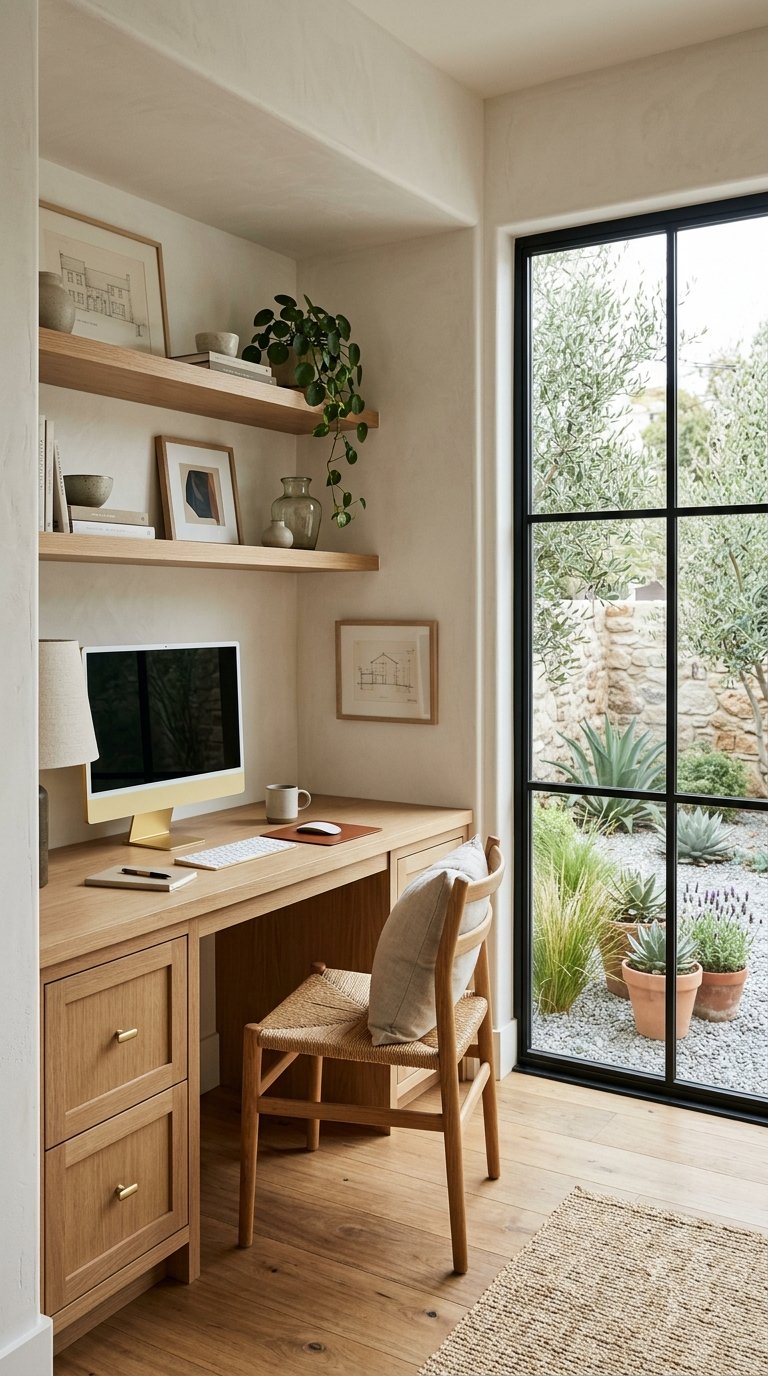
- Quiet home office space
- Strong indoor-outdoor living areas
- Flexible basement space
- Updated connectivity and smart-home functionality
- Privacy-oriented yard setup
- Comfort and convenience upgrades that support daily life
When buyers walk in, they should quickly understand how the home supports work, relaxation, entertaining, and day-to-day living. That is often more persuasive than a long list of specialty amenities.
Finish staging before photos and video
Online presentation is a major part of the first showing. NAR reports that photos were important to 88% of seller clients, videos to 47%, and physical staging to 43%. That means staging should happen before photography and video, not after.
This is particularly relevant in Greenwood Village, where Census data shows 99.3% computer ownership and 97.1% broadband subscription. Buyers in this market are very likely to review a home carefully online before they ever schedule a tour.
Your marketing-prep order
- Complete repairs and touch-ups
- Deep clean and declutter
- Stage key rooms and curb appeal
- Capture photos and video
- Launch the listing when the home is fully show-ready
A strong digital first impression can increase showing interest and help buyers arrive with a higher opinion of the home.
Build privacy and security into showings
With a high-value property, privacy is part of the sale strategy. NAR recommends that sellers hide or remove pets, valuables, prescription drugs, and sensitive personal information such as checkbooks. NAR also advises agents to ask for identification, avoid sharing garage or door codes, and limit the number of people in the home.
If you are selling a luxury home, these steps are not optional extras. They should be part of the showing plan from the start. The goal is to make the home accessible to qualified buyers while protecting your space, your belongings, and your routine.
Security checklist before showings
- Remove valuables and prescription medications
- Store financial and personal documents securely
- Take down visible family schedules or sensitive information
- Avoid leaving out spare keys or access devices
- Confirm how showings will be managed and monitored
This kind of planning helps you feel more comfortable during the listing period. It also supports a more professional experience for buyers.
Time your launch for spring demand
Timing can improve your odds, but only if the home is ready before the seasonal wave begins. NAR identified April 12 through 18, 2026 as the best national week to list, with homes listed then expected to sell faster, face less competition, and command slightly better pricing than average. DMAR also says Denver activity naturally picks up in spring after the winter slowdown.
That spring window lines up well with relocation activity. Allied says peak moving season runs from mid-May through mid-September, driven by warmer weather, end-of-school transitions, and new job assignments. Atlas’ 2026 corporate relocation survey found that more than half of companies reported increased employee moves while relocation budgets rose.
For Greenwood Village sellers, the takeaway is practical. If you want to attract relocation-driven buyers, your home should be inspected, repaired, staged, photographed, and fully ready before early spring, not while the market is already heating up.
A simple prep plan for sellers
If you want a clean path to market, keep your preparation focused and sequential.
Step-by-step seller plan
- Schedule a pre-listing inspection
- Review findings and choose high-impact repairs
- Confirm permits and licensed contractors where needed
- Refresh paint, finishes, and curb appeal
- Declutter and deep clean the entire home
- Stage the rooms buyers notice most
- Secure personal items and create a safe showing plan
- Complete photos and video only after staging is done
- Launch before the strongest spring and relocation window
This kind of plan helps you avoid rushed decisions. It also gives your home the best chance to compete well in a selective market.
If you are thinking about selling in Greenwood Village, the right preparation can shape everything that follows, from pricing confidence to showing activity to negotiation strength. A well-prepared home tells buyers that the property has been cared for, and that can matter just as much as the address. If you want a steady, experienced plan for getting your home ready and bringing it to market, Thaddeus Howells can help you map out the next steps.
FAQs
What repairs matter most before selling a high-value home in Greenwood Village?
- The most effective pre-sale improvements often include fresh paint, roofing work if needed, kitchen and bathroom updates, entry improvements, and other visible repairs that help the home feel move-in ready.
Should you get a pre-listing inspection before selling a Greenwood Village home?
- A pre-listing inspection can help you identify issues early, plan repairs, price more realistically, and reduce the chance of surprises during a buyer’s inspection period.
Do permits matter for pre-sale updates in Greenwood Village?
- Yes. Greenwood Village says permits are generally required for many alterations and repairs, including some interior remodels, windows, reroofs, water heaters, decks, fences, landscaping, and low-voltage wiring.
Which rooms should you stage before listing a Greenwood Village luxury home?
- The top rooms to prioritize are the living room, primary bedroom, and kitchen, with the dining room also commonly staged to support the overall presentation.
When is the best time to list a Greenwood Village home for sale?
- Spring is an important selling season in the Denver area, and NAR identified April 12 through 18, 2026 as the best national week to list, so it is wise to finish prep work before early spring.