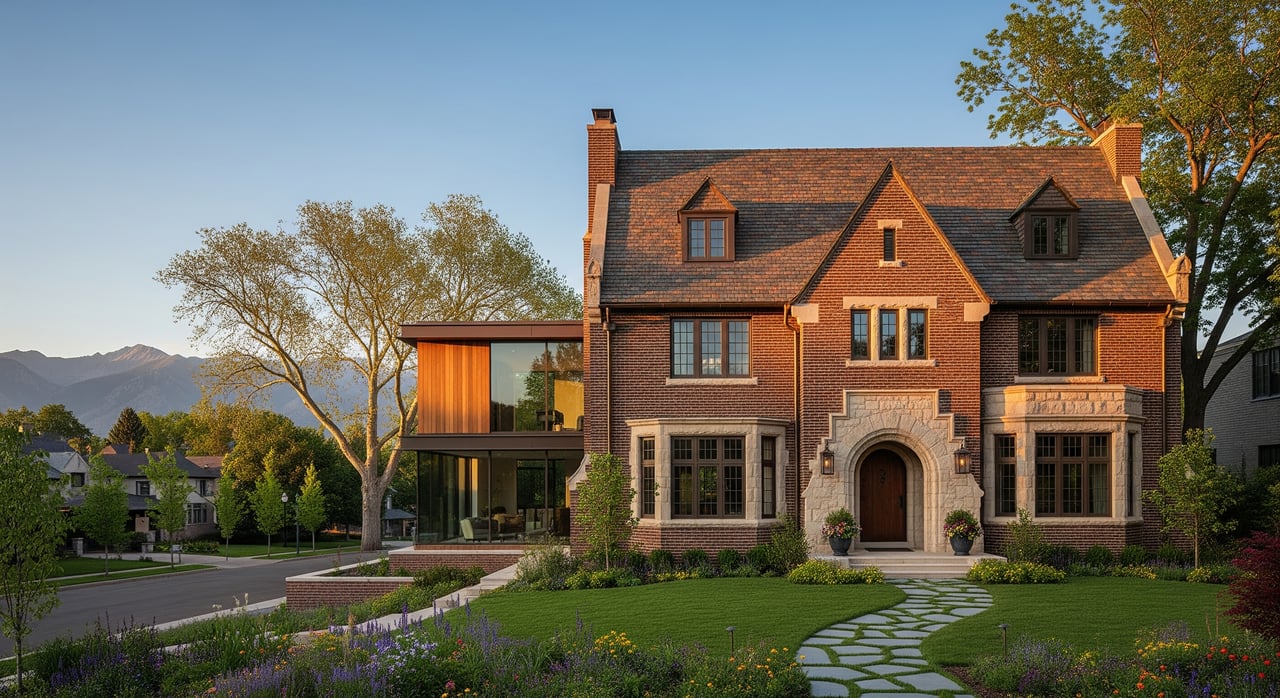
Should you keep the character of a classic Observatory or University Park home, or start fresh with a new build? It is a big decision, especially in neighborhoods where tree‑lined streets and original details sit beside modern infill. You want clarity on costs, timelines, permits, and how each path affects daily life and resale. This guide gives you a practical, Denver‑specific way to compare both options and choose confidently. Let’s dive in.
Quick take: remodel vs. buy new
- Remodel to preserve charm and update systems when the existing structure is sound and your must‑haves fit within the footprint or a modest addition.
- Buy or build new for maximum design control, modern systems, energy efficiency, and when your desired changes would require near‑complete gutting.
- Major remodels can approach new‑build costs once you add structural changes, systems upgrades, and contingencies.
- Your best choice often comes down to lot constraints, tolerance for disruption, and how quickly you need to move in.
What homes and lots allow here
Observatory Park and University Park include many early‑ to mid‑20th century homes, from bungalows to foursquares and revival styles. These properties often feature built‑ins, plaster walls, and original millwork. With older construction, expect that mechanical, electrical, plumbing, insulation, and foundation updates may be needed beyond cosmetic work.
Lots are urban infill scale, with modest yards, mature trees, and alleys on some blocks. Zoning rules for setbacks, height, lot coverage, and floor area will shape any addition or new build. The combination of lot size and code limits may make large additions or certain garage locations tougher without adjustments.
Costs: where the dollars go
Remodeling costs add up through demolition, structural work, mechanical upgrades, finishes, windows, insulation, and potential remediation such as asbestos or lead. New construction budgets include demolition, grading, utilities, foundation, full shell and finishes, landscaping, permits and fees, plus builder overhead and profit. Small to medium remodels are typically less expensive than a teardown and new build, but costs rise sharply once you move walls or add levels.
For perspective, the national and regional patterns tracked by the Remodeling Cost vs. Value report show that complex remodels often carry a premium for working within older structures. In many Denver infill cases, a full teardown and two‑story replacement can be cost‑competitive with an extensive gut plus addition. Always include a contingency, especially on older homes. Plan for 10 to 25 percent on remodels, with higher allowances when structural surprises are likely.
Permits, zoning, and reviews in Denver
Expect building permits for structural, electrical, plumbing, and mechanical work, plus plan review and inspections. If you change the footprint, add an accessory dwelling unit, or consider a lot split, you will trigger zoning review. Start with the city’s hub for submittals and plan reviews through Denver Community Planning and Development and its Permits guidance.
Setbacks, height, lot coverage, and floor area rules in the Denver Zoning Code will define how much you can expand or rebuild. If a property is a designated landmark or within a conservation area, exterior changes may need approval from Denver Landmark Preservation. Plan review timing depends on project complexity and city workload. Ask Development Services for current estimates before you finalize contracts or schedules.
Financing your path
You have several ways to fund a remodel or a new build:
- Renovation loans. Programs like FHA 203(k) and Fannie Mae HomeStyle Renovation can combine purchase and rehab into one loan. Expect escrowed draws, appraisal requirements, and program limits.
- Construction‑to‑perm. Short‑term construction loans that convert to a permanent mortgage are common for teardowns or heavy reconstruction.
- Home equity, cash, or cash‑out refinance. These can work for smaller projects if you already own with sufficient equity.
Underwriting, appraisal, reserves, and timelines differ between renovation and new construction. Engage a lender experienced with Denver renovation and construction loans early so your financing and your contractor’s draw schedule align.
Realistic timelines
Project timelines vary by scope and the city’s review workload. Use these general ranges as planning bands:
- Cosmetic remodels. Six to twelve weeks once contracts are signed and materials are in.
- Moderate remodels. Three to six months for a kitchen plus baths and some systems work.
- Major remodels or additions. Six to twelve months or more when structural changes, second stories, or significant exterior work are involved.
- Teardown and new build. Nine to twenty‑four months from demolition permit to certificate of occupancy, depending on design complexity, builder backlog, utility coordination, and weather.
Add time for pre‑construction design, permits, and material lead times. Hidden conditions in older homes are a common source of delays and change orders.
Lifestyle and design tradeoffs
A remodel lets you retain original character and adapt the layout, but the structure, foundation, and footprint set boundaries unless you invest in sizable additions. A new build gives you full control over floor plan, orientation, systems, and energy performance, all to modern code standards.
Living through a remodel often means noise, dust, and periods without a functioning kitchen or bath. You might phase work or find temporary housing. With a teardown and new build on your lot, you will need housing elsewhere for the entire build, plus careful coordination around site access and utilities.
On resale, many buyers in Observatory and University Parks appreciate original character, mature streets, and proximity to parks and the university when paired with thoughtful updates. Others will pay premiums for move‑in‑ready homes with modern kitchens, open plans, and new systems. Check current comps to see how buyers in your micro‑area are valuing each approach.
A step‑by‑step decision framework
Step 1: Set non‑negotiables
Identify your must‑haves: bedroom and bath count, yard use, parking, home office needs, and how soon you need to move. Be honest about your tolerance for disruption and your schedule flexibility.
Step 2: Get early inputs
- Have your agent pull nearby comps for recent high‑quality remodels and new builds. Focus within about a mile for best read.
- Order a full home inspection and targeted testing on an older home. Ask a contractor and an architect for a feasibility review and initial cost range.
- Request a zoning summary from Community Planning and Development. Confirm setbacks, height, floor area rules, and whether any landmark or conservation standards apply.
Step 3: Compare total budgets and schedules
Build an apples‑to‑apples comparison: purchase price plus remodel cost plus carrying costs versus purchase plus new construction and carrying costs. Include contingencies. Pair the numbers with realistic timeline bands.
Step 4: Rate your risk tolerance
Consider the chances of hidden structural issues, permit delays, material lead times, or redesigns. Decide how much schedule slip and budget variance you can accept.
Step 5: Set a decision threshold
If your remodel estimate plus purchase is materially lower than a comparable new build and still delivers your must‑haves, a remodel can be the better move. If remodel costs approach new construction or zoning limits prevent essential changes, building new often wins on design control and long‑term efficiency.
Step 6: Lock in contracts and governance
Use clear contracts, define a change‑order process, set milestones, and align the construction schedule with lender draw timelines. Plan for inspections and punch‑list time before move‑in.
Checklists and red flags
Essentials before you remodel
- Full inspection of structure, roof, mechanicals, moisture, and pests
- Hazardous materials testing for older homes, including lead and asbestos
- Zoning and landmark status confirmation
- Conceptual estimates from a licensed contractor and an architect or designer
- Lender options for renovation or construction financing
Red flags that push toward new construction
- Major foundation issues or extensive rot that require near‑total reconstruction
- A desired layout that needs a full gut and structural rework
- Remodel estimates that approach or exceed new replacement cost once hidden work is included
Red flags that favor a remodel
- High value placed on original architectural features you want to keep
- Lot or zoning constraints that limit a larger new footprint
- Strong nearby sales for sensitively renovated homes with preserved character
What to do next
Start with comps, a feasibility review, and a zoning summary so you can price the real choices in front of you. Line up a lender comfortable with renovation and construction loans and request the city’s current plan review timelines. With the right homework, you will see whether your path is a smart remodel or a fresh start.
If you want a steady, local guide through this decision in Observatory and University Parks, I am here to help. I will pull the right comps, connect you with vetted architects, contractors, and lenders, and build a side‑by‑side plan that fits your goals and timing. When you are ready, reach out to Thaddeus Howells. Let’s talk about your home.
FAQs
What permits do I need to remodel in Denver?
- Most structural, electrical, plumbing, and mechanical work requires permits, plan review, and inspections through Community Planning and Development. Exterior changes may trigger zoning review or, in some cases, Landmark review.
How do zoning rules affect an addition or new build?
- Setbacks, maximum height, lot coverage, and floor area in the Denver Zoning Code limit size and placement. These rules often define whether a second story or larger footprint is feasible.
Are renovation loans available for older homes in Observatory and University Parks?
- Yes. Programs like FHA 203(k) and HomeStyle Renovation can finance purchase plus rehab, with escrowed draws and program‑specific requirements.
How long does a teardown and new build usually take?
- A typical range is nine to twenty‑four months from demolition permit to certificate of occupancy, depending on design complexity, builder availability, permitting, utilities, and weather.
What contingency should I budget for a remodel?
- Plan for 10 to 25 percent to cover hidden conditions and scope changes, with the higher end common in older homes.
Will a remodel or a new build resell better here?
- It depends on buyer preferences in your micro‑area. High‑quality renovations that preserve character can perform well, while new builds attract buyers who want modern plans and systems. Review recent nearby comps with your agent to see current premiums.